There is a particular kind of heartbreak that only a baker knows.
You’ve done everything right. The batter was silky. The oven was hot. Outside, the monsoon is doing its beautiful, dramatic thing — that first proper rain after a long summer, the smell of wet earth drifting through the kitchen window, a cup of chai waiting. You slide the tin in, you wait, the whole house starts to smell like a bakery. And then you open the oven… and there it is. That sad little crater in the middle. A cake that rose like a dream and then sat back down like it changed its mind.
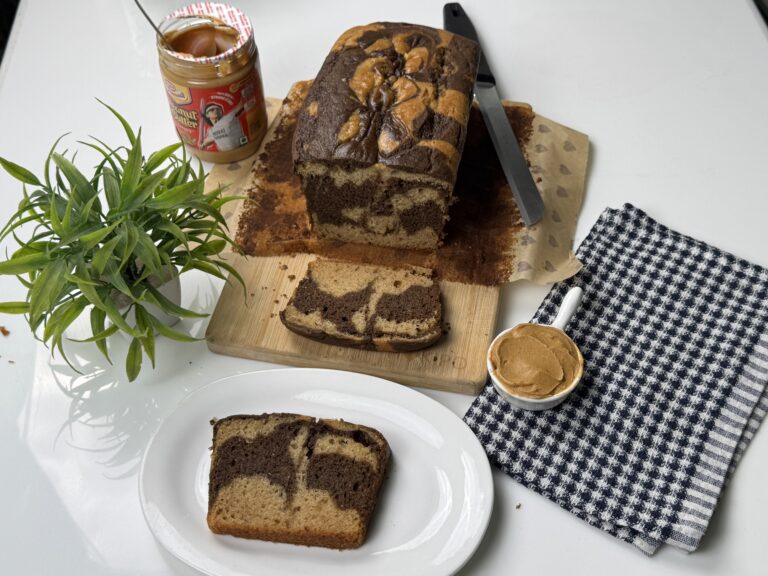
This eggless peanut butter loaf cake is for ordinary rainy afternoons — the kind where you don’t need a reason, just a cup of chai and a slice of something soft.
If you’ve just watched my loaf cake compilation on YouTube and you’re standing in your kitchen wondering which one to make first — you are exactly where you’re meant to be. Welcome!
There’s a reason I keep coming back to loaf cakes. They ask so little of you — one tin, one bowl, a handful of everyday ingredients — and they give back so generously. No fancy equipment, no complicated techniques, no steady decorator’s hand required. Just a soft, golden loaf that slices beautifully and disappears even faster. If you’re just starting out, a loaf cake is the gentlest, most forgiving place to begin. And if you’ve been baking for years, it’s the bake you quietly come home to.
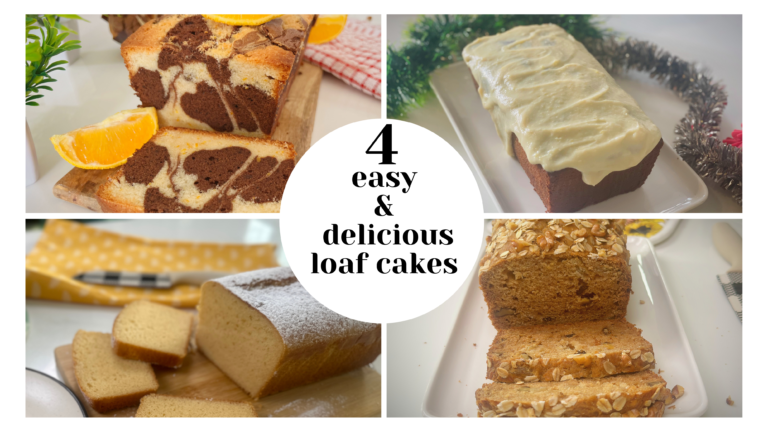
All four cakes you see in the collage above are on this page, each with a direct link to its full, step-by-step written recipe. Pick the one that’s calling your name, and let’s bake.
Why Loaf Cakes Are the Perfect Place to Start
One tin, one bowl. Most of these come together with nothing more than a whisk or a hand mixer.
Forgiving by nature. A loaf doesn’t need perfect layering or piping — it looks lovely just as it is.
Easy to slice and share. Perfect alongside your morning coffee or an evening cup of chai.
They keep and freeze well. Bake once, enjoy all week (more on that below).
The 4 Loaf Cakes in This Video
1. Orange Chocolate Marble Pound Cake
The showstopper of the four. Half the batter turns bright and citrusy with fresh orange zest, the other half goes deep and rich with chocolate and cocoa — and a few swirls of a knife marble them together into a pattern that looks far harder than it actually is. The best part? No two loaves ever come out the same, so yours will be one of a kind every single time.
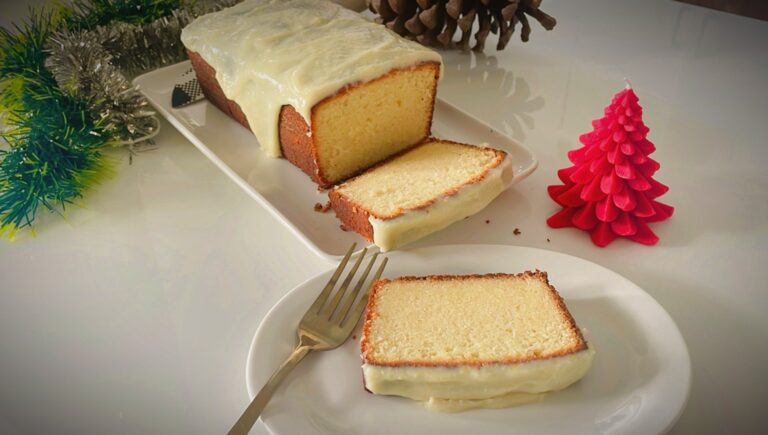
Dense, velvety and beautifully buttery, this is a proper old-fashioned pound cake made rich with sweetened condensed milk. What lifts it is the tangy lime glaze poured over the top — that little hit of citrus cuts through the sweetness and makes every slice taste bakery-fresh. It’s the kind of cake you’ll want on the table when people come over.
If you only make one cake from this list, let it be this one — it’s the easiest cake you will ever bake. One can of condensed milk, no mixer, no scale, and about five minutes of prep. It bakes up wonderfully soft and tender, needs nothing more than a dusting of powdered sugar, and stays moist for days. This is my go-to for everyday snacking, and the recipe I hand to anyone nervous about baking their very first cake.
Cozy, gently spiced and packed with moisture, this is the loaf that makes your whole kitchen smell of warm cinnamon and apples. The applesauce keeps it soft for days, and the oat-and-walnut topping adds the loveliest bit of crunch. Perfect for breakfast, an afternoon snack, or a not-too-sweet dessert.
A few small things make a real difference, no matter which loaf you choose:
Use room-temperature ingredients. Cold eggs, butter or yoghurt straight from the fridge can make a batter split — let them sit out for a bit first.
Don’t overmix once the flour goes in. Stir just until the flour disappears. Overmixing is the number one reason a loaf turns out dense and tough.
Line your tin. A strip of parchment across the base and up the long sides lets you lift the whole loaf out cleanly, with no wrestling.
Trust the skewer, not the clock. Ovens vary, so start checking a few minutes early — a skewer in the centre should come out clean.
Let it cool before slicing. I know it’s hard, but a loaf firms up as it cools and slices far more neatly once it’s had time to rest.
Make-Ahead and Storage
Every one of these loaves is happy to be made ahead. Store them in an airtight container at room temperature for up to 3 days, or in the fridge for up to a week — just bring the slice back to room temperature before serving. To freeze, wrap the cooled, unsliced loaf tightly in cling film and then foil; it will keep beautifully for up to 2 months. Thaw at room temperature, and it’s as good as the day you baked it.
More Cakes You’ll Love
Red Velvet Marble Cake — soft, buttery and swirled with that gorgeous red-and-cream marble.
There is one tin in almost every Indian kitchen that never really goes out of style. It sits at the back of the shelf, a little dented, promising sweetness for whenever you need it — sweetened condensed milk. Most of us reach for it to make a quick barfi, a spoonful of it stirred into strong coffee, or that classic no-fail fudge when guests turn up unannounced. But today I want you to think of it as something else entirely: the secret that makes a pound cake soft, tender, and quietly luxurious.
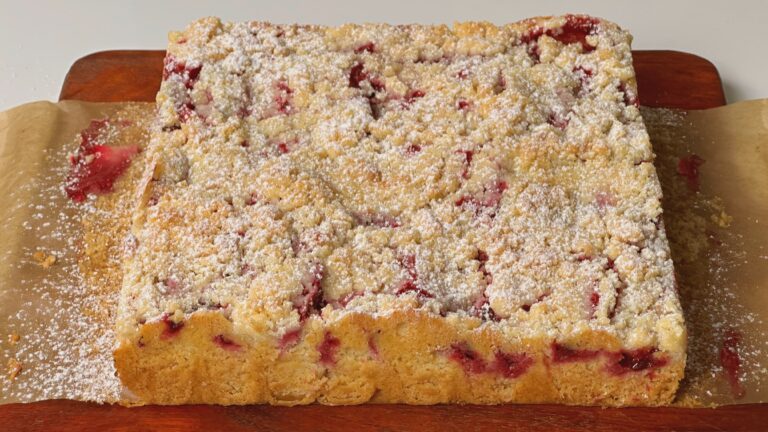
here is a particular kind of quiet that arrives in Jalandhar in late July, when the rain has been falling long enough that the dust has finally given up. The neem outside is washed clean. The light through the kitchen window turns that soft grey-gold that photographers chase and rarely catch. And on the counter, in a paper bag from the Sunday market, there are plums — deep red, slightly soft at the tips, smelling faintly of something between rose and wine.
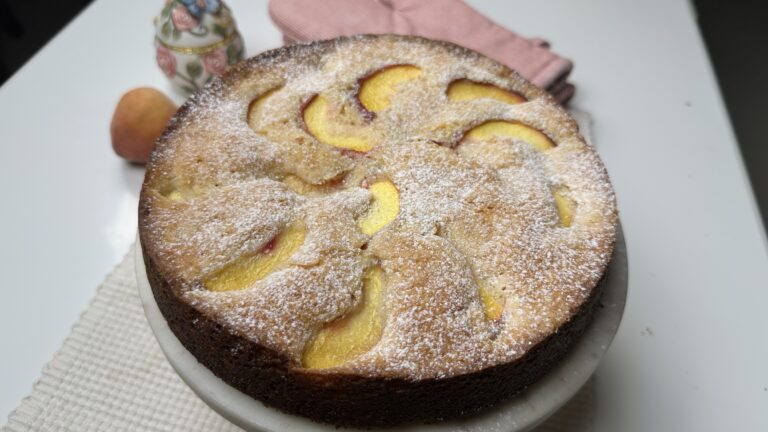
This peach butter cake is what happens when peak-season peaches meet a little too much impatience. There’s a particular kind of joy that only ripe peaches can bring — the kind where you bite into one over the sink because you simply can’t wait to reach a plate. I had a bowlful sitting on my counter, slightly too ripe to save for another day, and instead of turning them into jam or eating them one by one, I decided they deserved a cake of their own.
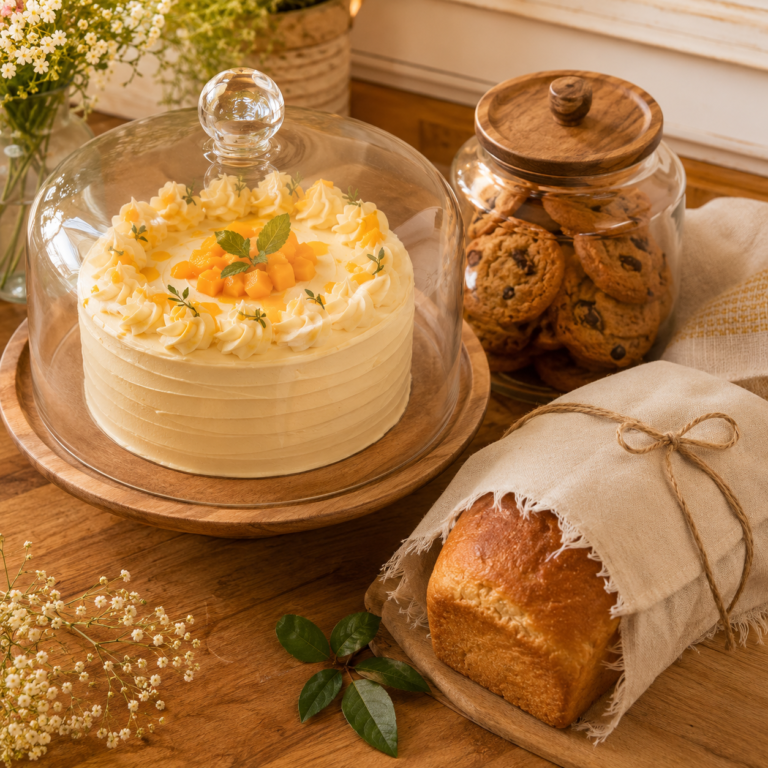
There’s a particular kind of heartbreak that only a baker understands — you spend an entire evening in the kitchen, the whole house smells like butter and vanilla, and two days later, the same cake that made everyone go quiet with the first bite has turned dry at the edges. Or the cookies that were crisp and buttery on day one go soft and sad by day three. Or worse — the bread you were so proud of has a spot of mould before the week is even out.
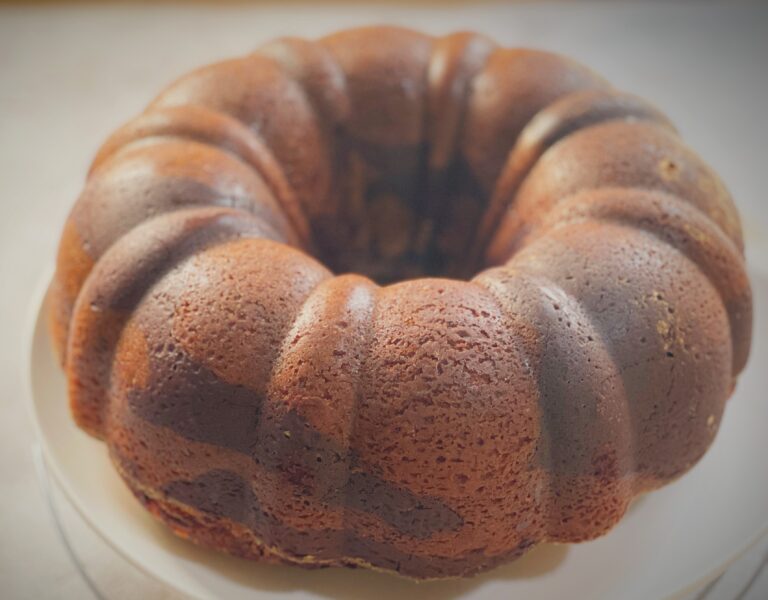
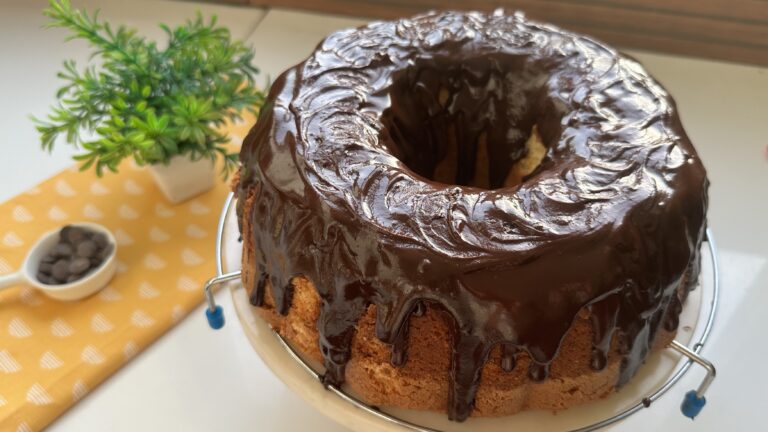
This Red Velvet Marble Cake doesn’t ask to be the centre of attention, and then quietly becomes exactly that. There’s something about it that makes people pause before cutting in — maybe it’s the swirl, maybe it’s the simplicity of it sitting there in its bundt shape, waiting.
I baked this for the first time on a Valentine’s Day — not because I’m someone who plans elaborate things for the fourteenth of February, but because I wanted something on the table that looked like effort without actually demanding a whole day in the kitchen. Red velvet has always felt a little indulgent to me, a little dressed-up, and pairing it with a simple vanilla pound cake batter felt like the right kind of balance — rich, but not over the top.
This was supposed to be a simple, big vanilla bundt cake — one cake, enough for everyone.
And when I turned it out of the pan, a few patches of the top stuck and came away. Not a disaster, not broken — just not picture-perfect. And I think that’s the exact moment a lot of us decide a bake has “gone wrong.”
Blueberries and chocolate in one muffin — I genuinely do not understand why this combination is not talked about more. The tartness of the blueberries cuts right through the richness of the chocolate, and what you get is something so perfectly balanced it is difficult to stop at one.