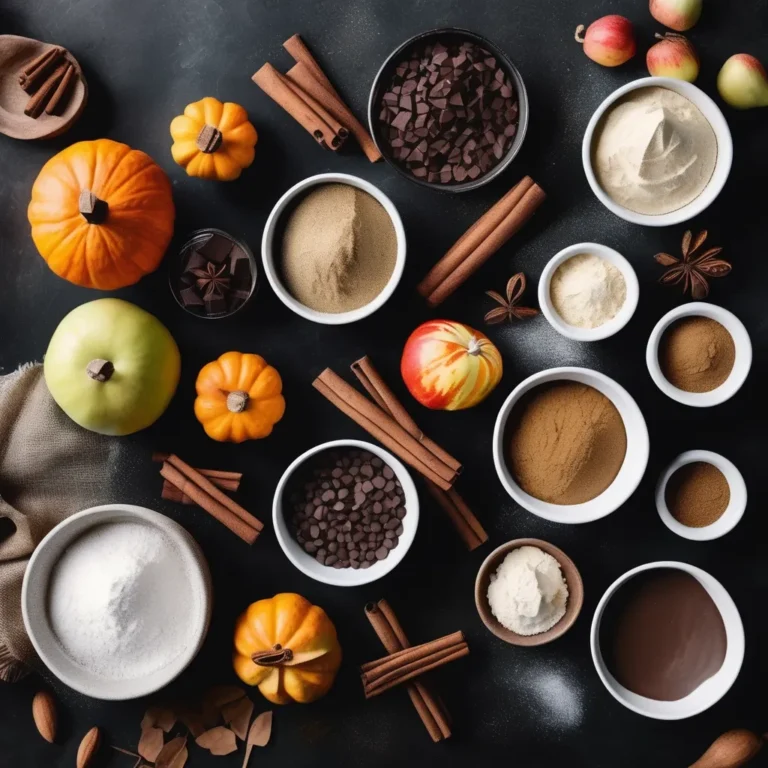
The Art of Slow Living in a Busy World
On chai that goes cold while you watch the light change, and why the slowest things I do are the ones that hold my days together.
There is a special kind of quiet that fills an old house early in the morning. I grew up inside it. Someone was always up before the rest of us — the soft clink of brass in the kitchen, the first kettle going on, the smell of milk warming while the house was still half asleep. Nobody in my mother’s kitchen ever seemed to be in a hurry, and yet somehow everything got done. I’ve spent a good part of my grown-up life trying to understand how she did it.
Because my own life now is anything but slow. I film and edit videos, I write, I’m building a house from the ground up, and there’s almost always something in the oven. If you saw my week written out on paper, you’d never call it restful. And yet, when people ask how I stay steady through all of it, my honest answer tends to surprise them: I’ve learned to do a few small things slowly, on purpose.
That, to me, is what slow living actually is. Not a slower life. A more attended one.
Slow living is not about doing less
Somewhere along the way, “slow living” got sold to us as a picture — a woman with nowhere to be, a linen apron, an afternoon that stretches on with no children to feed and no work waiting. I don’t have that life. Most of us don’t. And I think the picture does more harm than good, because it makes slowness feel like a luxury you have to earn by first emptying your calendar.
I don’t empty my calendar. I am usually behind on something. What I do instead is choose a handful of ordinary moments in the day and refuse to rush them.
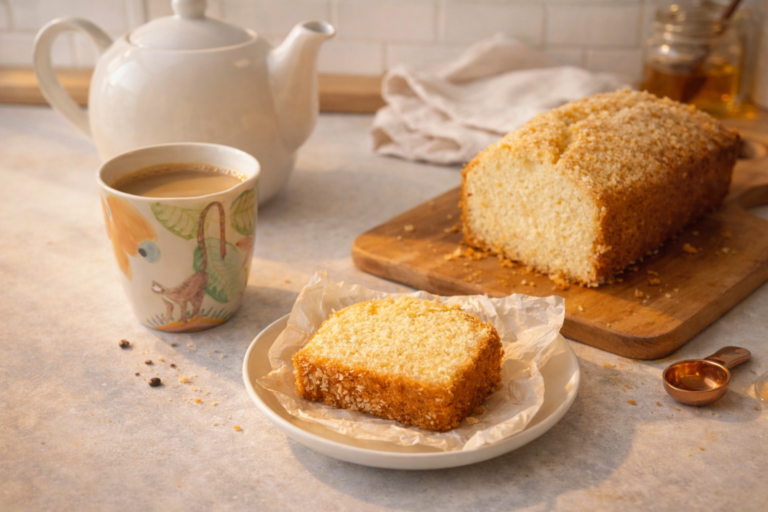
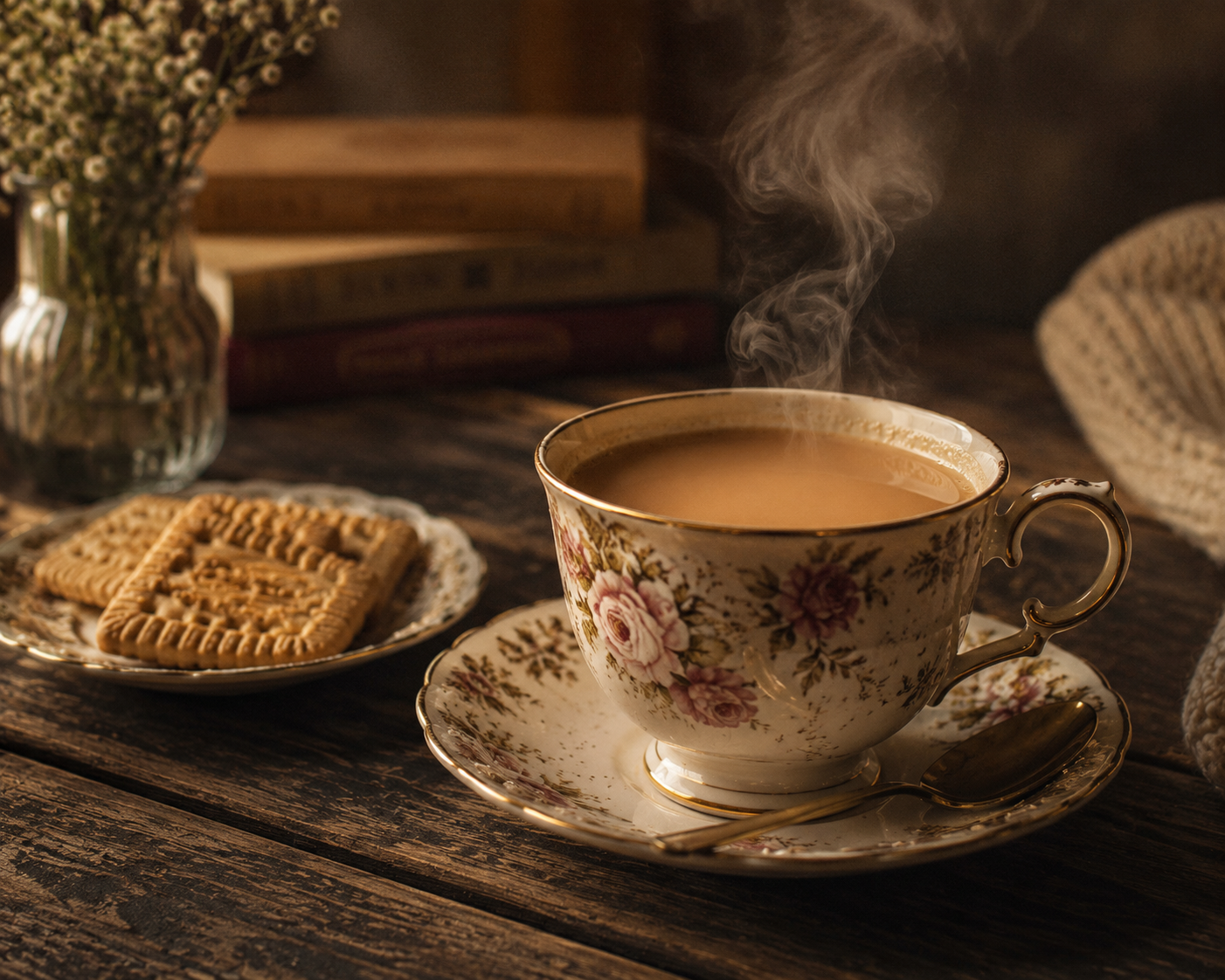
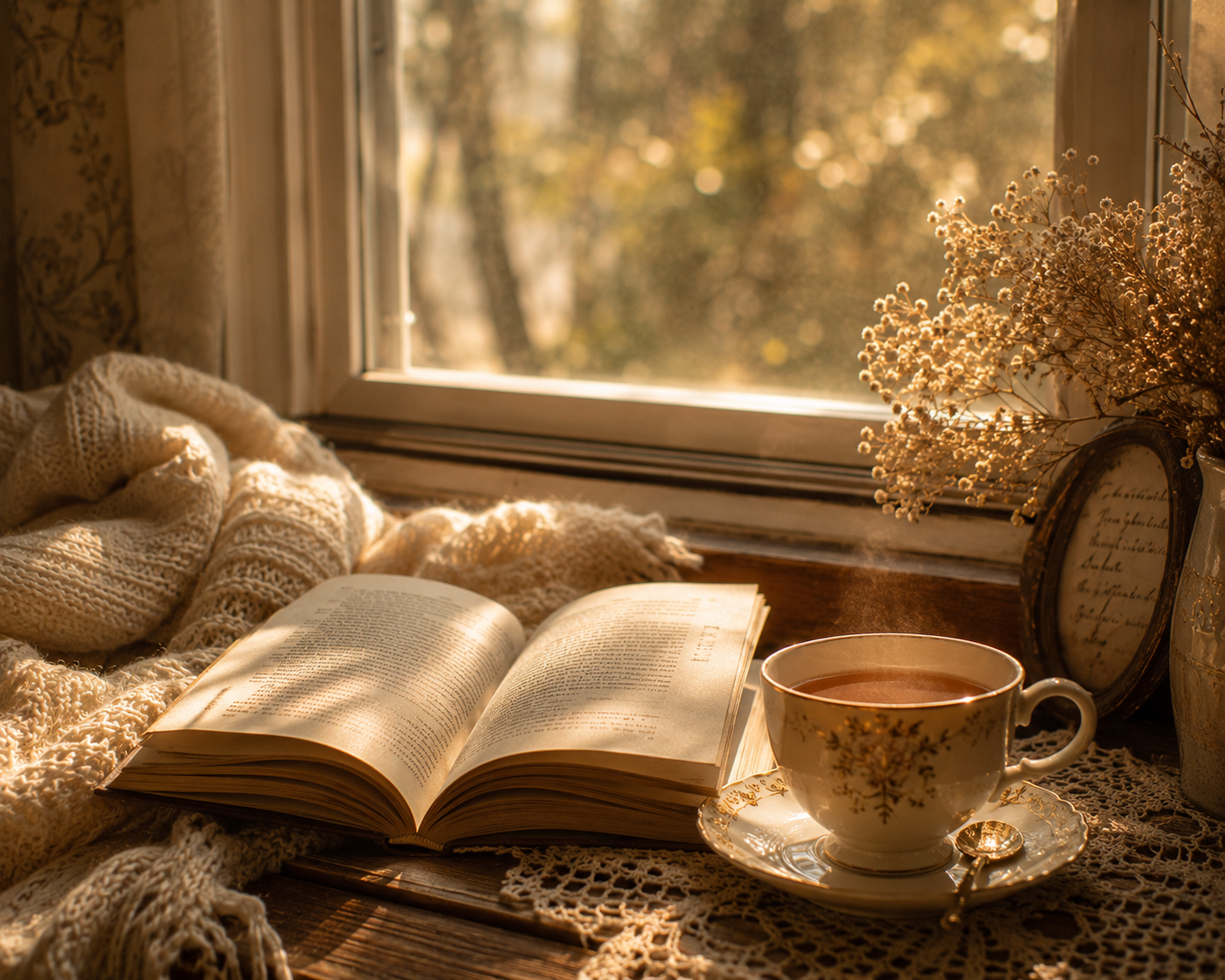
The chai in the morning is one of them. I could drink it standing at the counter, phone in hand, half-answering an email. Some days I do, and those days feel thinner for it. But most mornings I make the chai slowly, I carry it somewhere I can see the light, and for the length of one cup I do nothing else. It is not meditation. It is not a wellness practice with a name. It is just paying attention to one small thing all the way through — and it changes the temperature of the whole day.
The kitchen taught me this before I had the words for it
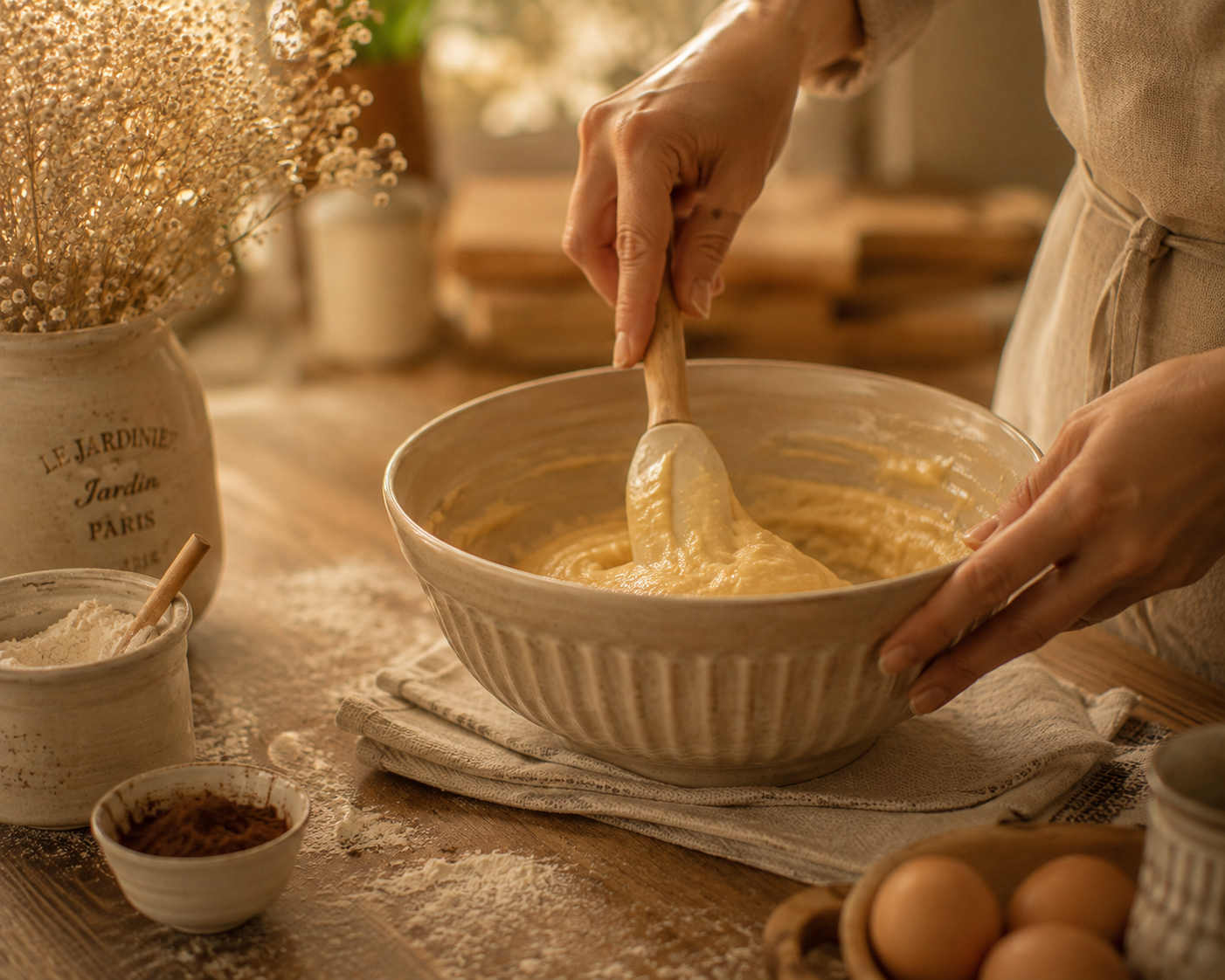
People think baking is about the finished cake. It isn’t, not really. It is about the twenty quiet minutes before it — creaming butter until it turns pale, folding flour in a way you cannot hurry without ruining it, waiting while something rises in its own time and refuses to be argued with.
Baking will not let you multitask your way through it. A cake knows if you were distracted. The batter that got its full attention comes out different from the one you rushed, and I have made enough of both to promise you that is true. This is why the kitchen became my teacher in slowness long before I ever called it that. It is the one room in the house that insists on the present tense.
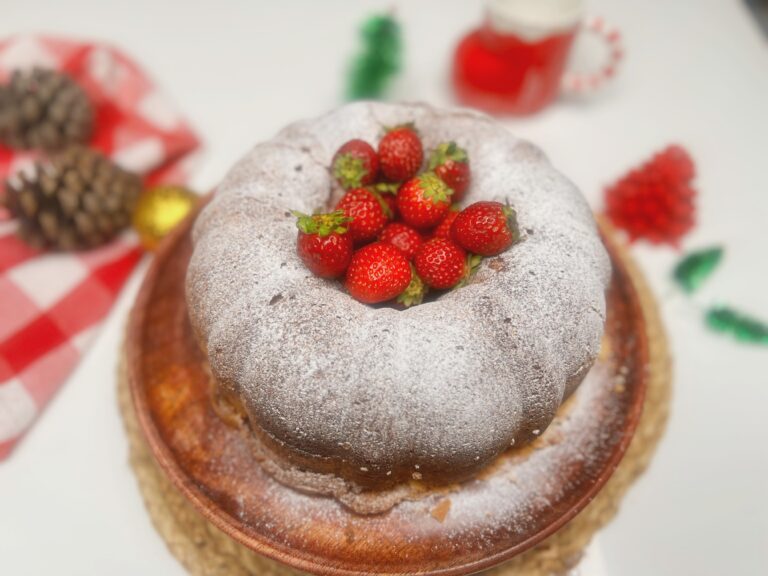
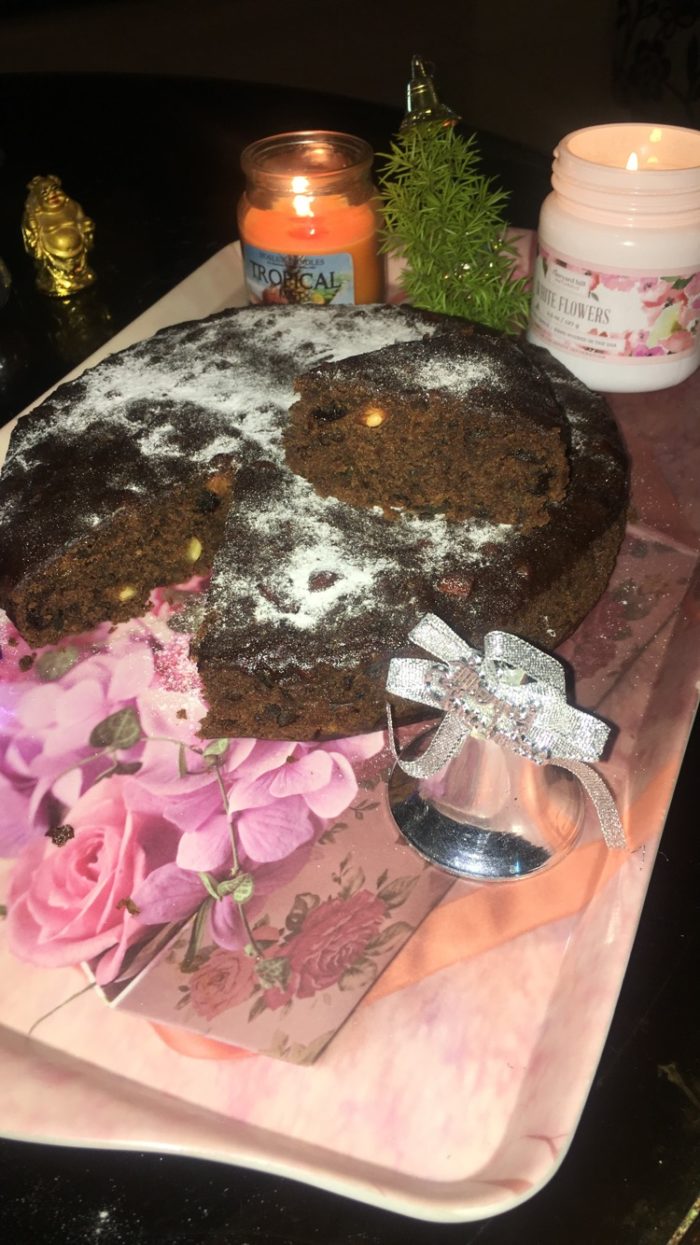
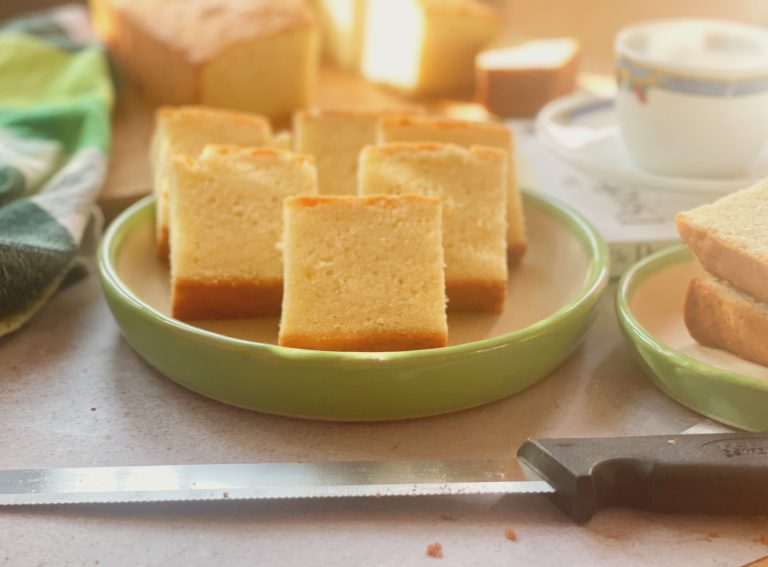
If you have never understood the appeal of a slow afternoon in the kitchen, I would gently suggest you have never been given a reason to stay. Try one loaf. Something forgiving — a banana bread, a simple butter cake. Not to eat, though you will. Do it for the twenty minutes of standing still.
What my mother’s kitchen knew
The slowness I am describing is not new, and it is certainly not mine. I inherited it.
In the city of my childhood, food arrived in seasons and could not be argued out of them. My father would come home with whatever the season had given — a basket of some fruit, a box of sweets — and the arrival itself was an event. Sunday mornings meant kulchas from the tandoor, eaten on the terrace. Holi meant my mother’s phirni, cooked down slowly until it thickened the way only patience can. Her matar kachoris were not fast food; they were a morning’s work, and the house smelled of them long before we ate.
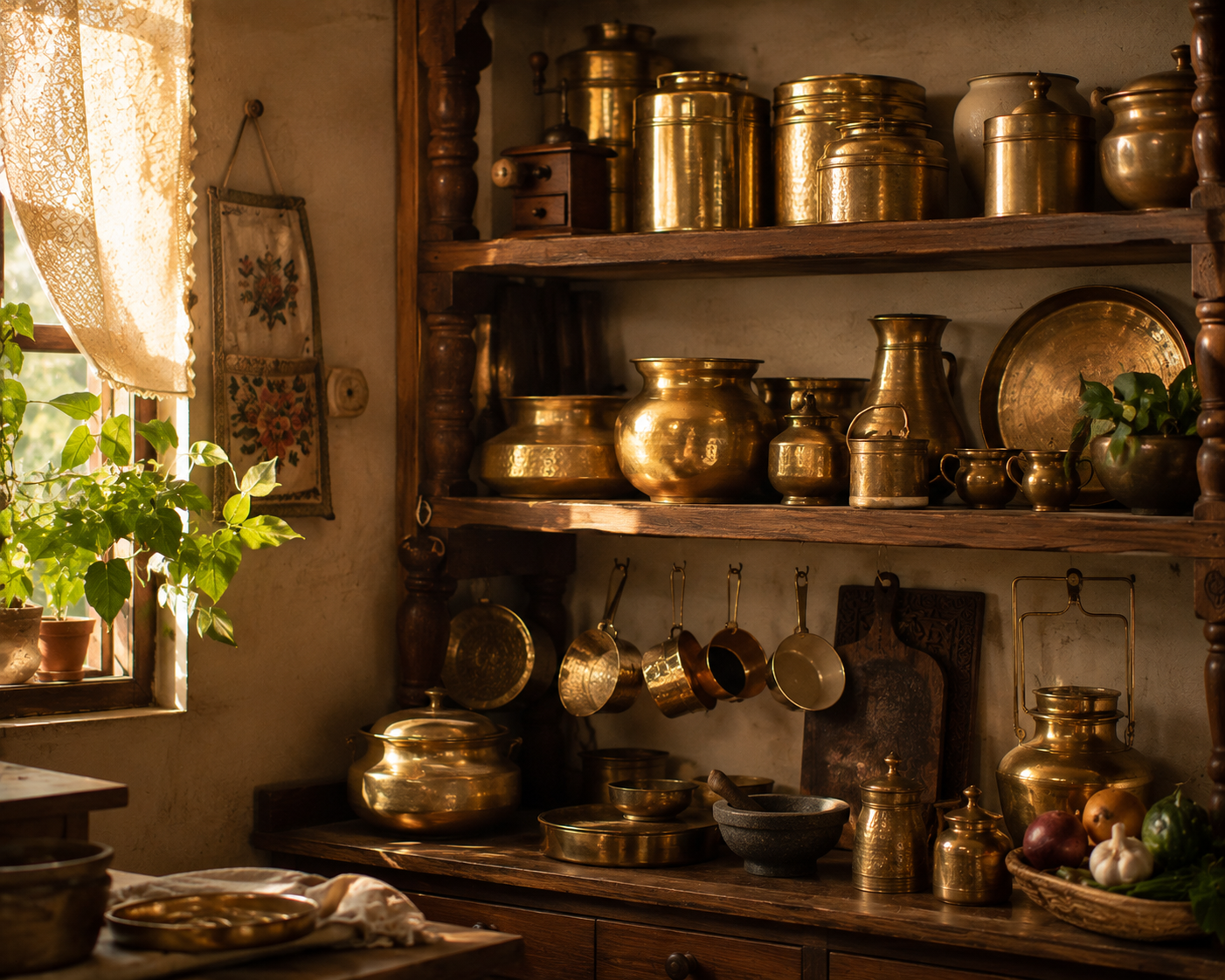
Nothing in that kitchen was engineered for speed. The brass had to be cleaned. The lentils had to soak. The good things took the time they took, and the taking of time was not resented — it was simply how food came into being. I did not know I was learning anything. I thought I was just waiting for lunch.
I understand now that I was being taught that some things cannot be rushed without being made lesser. It is the single most useful idea I carry, and I did not read it in a book. I ate it.
The poets in my pocket
I studied English literature, and the Romantic poets have never really left me. Wordsworth built a whole way of seeing out of the smallest things — a field, a shift of weather, an ordinary walk. Keats could stand still in front of a single autumn afternoon and find enough in it to last a lifetime.
I return to them because they were, in their own way, the original slow-living writers. They understood that transcendence is not somewhere else. It is here, in the everyday, if you are willing to slow down enough to notice it. A cup of tea in good light. The particular gold of a late afternoon. Bread coming out of the oven. These are not small compensations for a life you wish were grander. Paid proper attention, they are the grandness.
You do not need a degree in poetry to live this way. You only need to be willing, once or twice a day, to look at an ordinary thing as though it were worth looking at. It usually is.
Small slownesses that fit a busy life
I am wary of turning any of this into a list of rules, because slow living becomes just another thing to fail at the moment it does. So take these not as a checklist but as doors you might open on the days you have the door in you.
- Choose one ritual and protect it. Not ten. One. For me it is the morning chai. Guard it like it matters, because it does.
- Let something take its full time. Cook one thing from scratch this week that you would normally buy. The point is not the food. It is the making.
- Do one thing at a time, all the way through. Even for five minutes. Fold the clothes and only fold the clothes. It feels strange at first, and then it feels like relief.
- Notice the light. It changes all day and asks nothing of you. Looking at it costs nothing and gives back more than you would expect.
- Leave the phone in another room for one part of the day. Not forever. Just long enough to remember what your own thoughts sound like.
None of this requires you to quit your job, move to a village, or become a different person. It requires you to be more fully in the life you already have.
The mountain I keep walking toward
I have carried one dream for a long time — a small café somewhere in the hills, the kind of place that smells of carrot cake and coffee, where nobody is in a hurry and the afternoon is allowed to be long. I am in no rush to arrive there. That, I have come to think, is rather the point. The dream is not a destination I am racing toward; it is a direction I am facing. It reminds me what I am building all this slowness for.
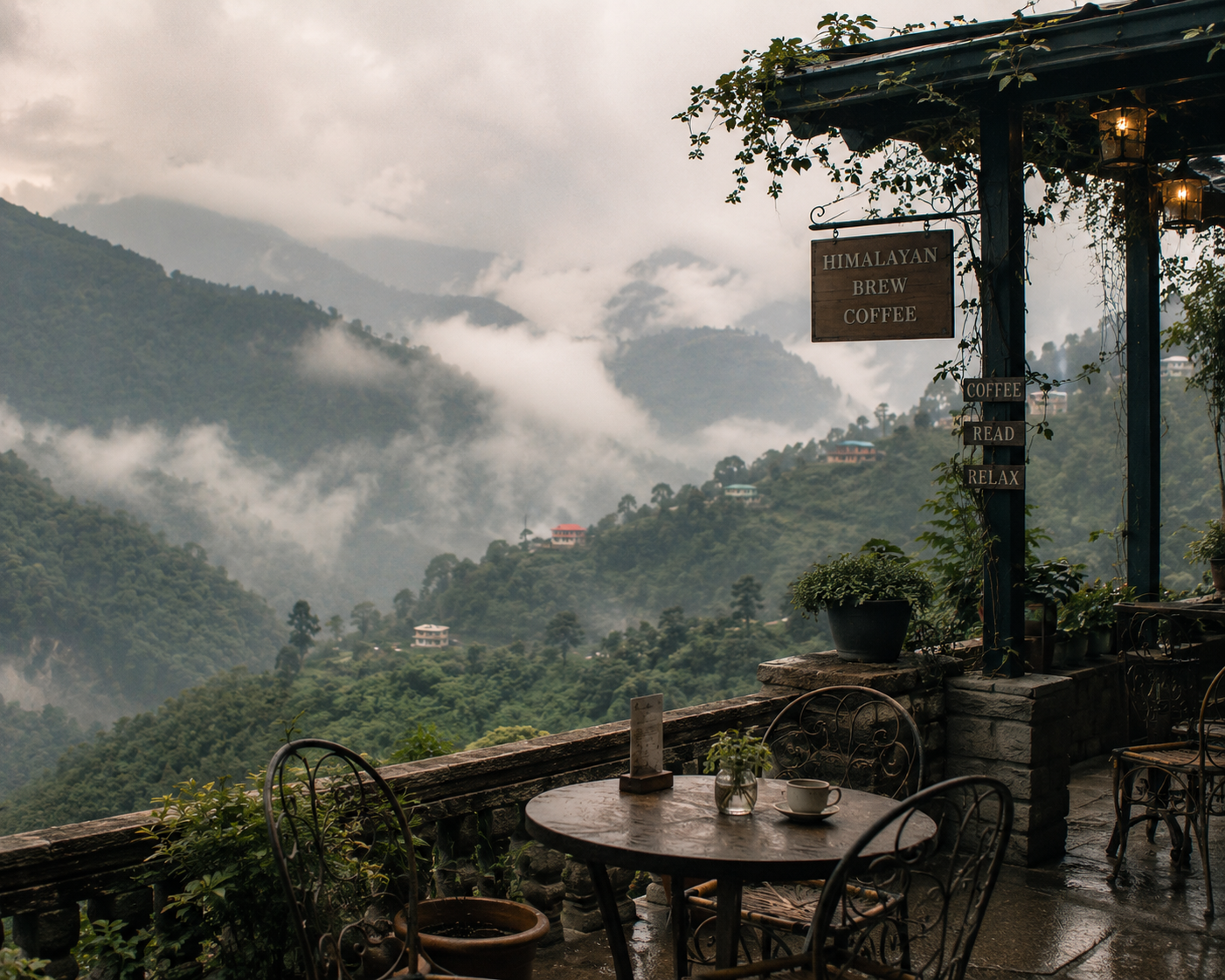
You may have your own version of that mountain. Keep it. Walk toward it slowly. The walking is not the delay before the good life. On the days you do it with attention, the walking is the good life.
In the end
The busy world is not going anywhere, and I am not going to pretend I have escaped it. I haven’t. My week is full and it will be full again next week. But somewhere between the brass kettles of my childhood and the oven I stand at now, I learned that a full life and a hurried life are not the same thing — and that the difference between them is made of small, deliberate, unrushed moments that anyone can choose.
Make the chai slowly today. Watch the light move while you drink it. That is where it begins.